
Porcelain Veneers vs. Composite Veneers: What Isle of Palms Patients Need to Know in 2026

Choosing between veneer types is one of the most common questions patients research before their first cosmetic consultation. This guide explains the key differences between porcelain veneers and composite veneers so Isle of Palms residents can make a confident, informed choice.
Both options can improve the look of chipped, stained, or uneven teeth, but they work differently. The right choice depends on your goals, timeline, and dental health.
What Are the Main Differences Between Porcelain and Composite Veneers?
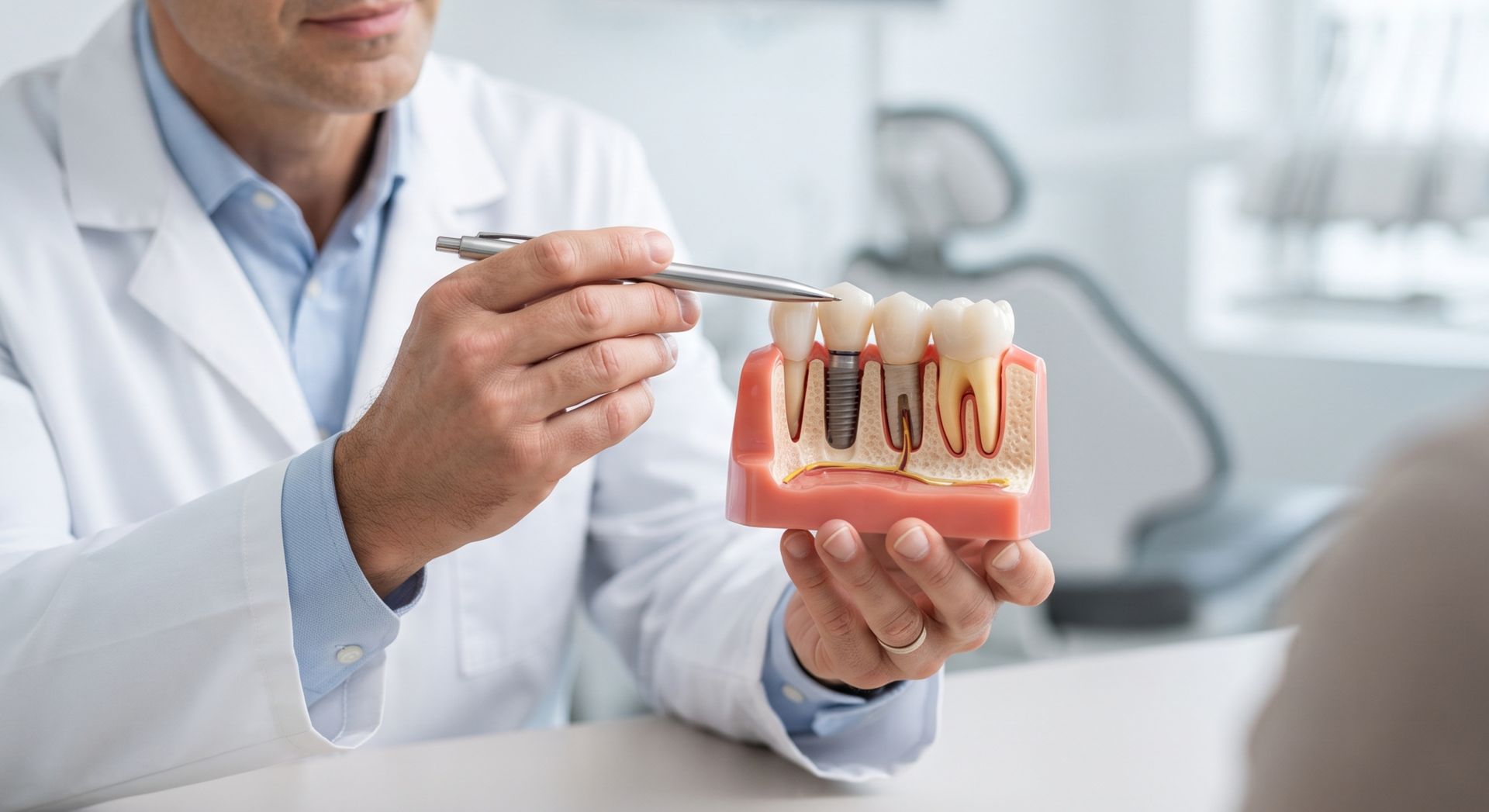
Porcelain veneers are thin ceramic shells custom-made in a dental lab and bonded to the front surface of each tooth. Composite veneers are sculpted directly onto your teeth in a single appointment using a tooth-colored resin material.
The biggest material difference is durability. Porcelain is harder and more resistant to everyday wear. Composite resin is softer, which makes it easier to repair but also means it may show scratches or chips more readily.
Stain resistance is another key factor. Porcelain has a glazed surface that resists coffee, tea, and red wine staining far better than composite resin. For residents near the coast, this matters year-round since outdoor dining and gatherings are a regular part of life around Isle of Palms, SC.
How Is Each Type of Veneer Placed?
Porcelain veneers typically require at least two appointments. At the first visit, the dentist removes a small amount of enamel, then takes digital scans or impressions to send to a dental lab. You wear temporary veneers while yours are fabricated. At the second appointment, the permanent veneers are bonded into place.
Composite veneers can often be completed in a single visit. The dentist applies layers of resin directly to the tooth, sculpts them by hand, and hardens each layer with a curing light. Less enamel removal is involved, and some cases require little to no prep at all.
Which Option Requires More Enamel Removal?
Porcelain veneers generally require more enamel removal. Because the porcelain shell has a set thickness, the tooth must be reduced to make room for it. This process is permanent, meaning your teeth will always need some form of coverage. Composite veneers may require minimal or no enamel prep, making them a more reversible option in certain cases.
How Long Do Veneers Last?
Porcelain veneers can last well over a decade with proper care. Composite veneers typically last three to seven years before they may need repair or replacement.
Because Isle of Palms residents tend to be active outdoors, habits like grinding teeth or biting hard objects can shorten the lifespan of either type. A dentist can assess your bite and lifestyle to help predict which material will hold up better for you.
What Maintenance Do Veneers Require?
Both types benefit from the same core habits: brushing twice daily, flossing, and attending regular checkups. A few specifics to keep in mind:
- Porcelain veneers should not be used to bite extremely hard foods like ice or hard candy.
- Composite veneers may need periodic polishing to maintain their sheen.
- Patients who grind their teeth at night may benefit from a custom night guard.
- Avoiding heavily pigmented foods and drinks can help composite veneers maintain their color.
- Routine professional cleanings help both veneer types last as long as possible.
Which Type Is Right for You?
Porcelain veneers are often recommended for patients who want long-term results, have significant discoloration that whitening cannot address, or are looking for a comprehensive smile transformation. Their stain resistance and lifespan make them a strong choice for patients who want to invest once and maintain for years.
Composite veneers may suit patients who want a faster, lower-commitment solution, need to repair a single chipped tooth, or prefer a less invasive process. They can also serve as a preview of what a full porcelain smile makeover might look like.
Because both options involve permanently altering your teeth to some degree, speaking with a dentist before deciding is always the recommended first step.
Are Veneers Covered by Dental Insurance?
Veneers are generally considered a cosmetic procedure and are not covered by most dental insurance plans. Financing options may be available through your dental provider. Asking about payment plans during your consultation can help you understand the full scope of your investment.
Can Veneers Fix Gaps or Crooked Teeth?
Veneers can improve the appearance of small gaps and mild misalignment, but they are not a substitute for orthodontic treatment in more complex cases. A dentist will evaluate whether veneers are appropriate or whether another approach would give you better long-term results.
Ready to Explore Your Options? Talk to a Cosmetic Dentist Serving Isle of Palms
Choosing between veneer types is a decision best made with a professional who can evaluate your full dental picture. Mt. Pleasant Modern Dentistry serves patients from Isle of Palms, SC, with personalized cosmetic care designed to match each patient's goals and comfort level. The team uses advanced digital scanning technology to help design and custom-fabricate veneers through one of the country's leading cosmetic dental labs.
You can learn more on the dental veneers service page or contact the office to schedule a consultation. You can also call (843) 216-0908 to speak with the team directly.
Find Mt. Pleasant Modern Dentistry on Google to read patient reviews and get directions from Isle of Palms.