
Dental Implants vs. Dental Bridges in 2026: Which Is Right for Isle of Palms Patients?

Choosing between dental implants and dental bridges is one of the most common questions patients face after losing a tooth, and the right answer depends on your unique oral health situation. This comparison covers how each option works, who may qualify, how long each can last, and what factors Isle of Palms, SC, residents should weigh before committing to a treatment plan.
How Do Dental Implants and Dental Bridges Actually Work?
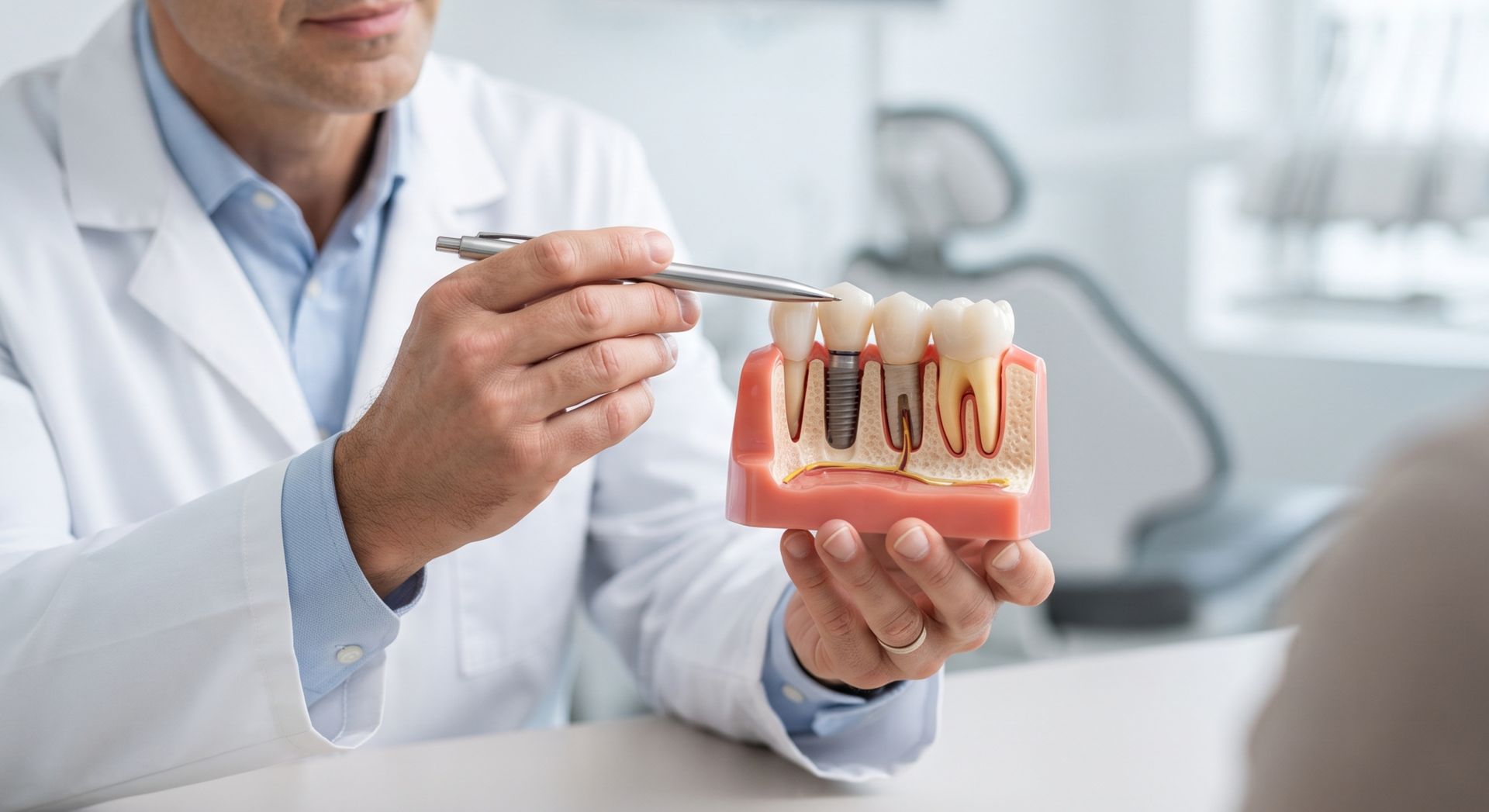
Both options replace a missing tooth, but they work differently. A dental bridge uses the two teeth on either side of the gap as anchors. Those teeth are shaped down to support crowns, and a false tooth hangs between them to fill the space. The bridge sits above the gumline and does not interact with the jawbone below.
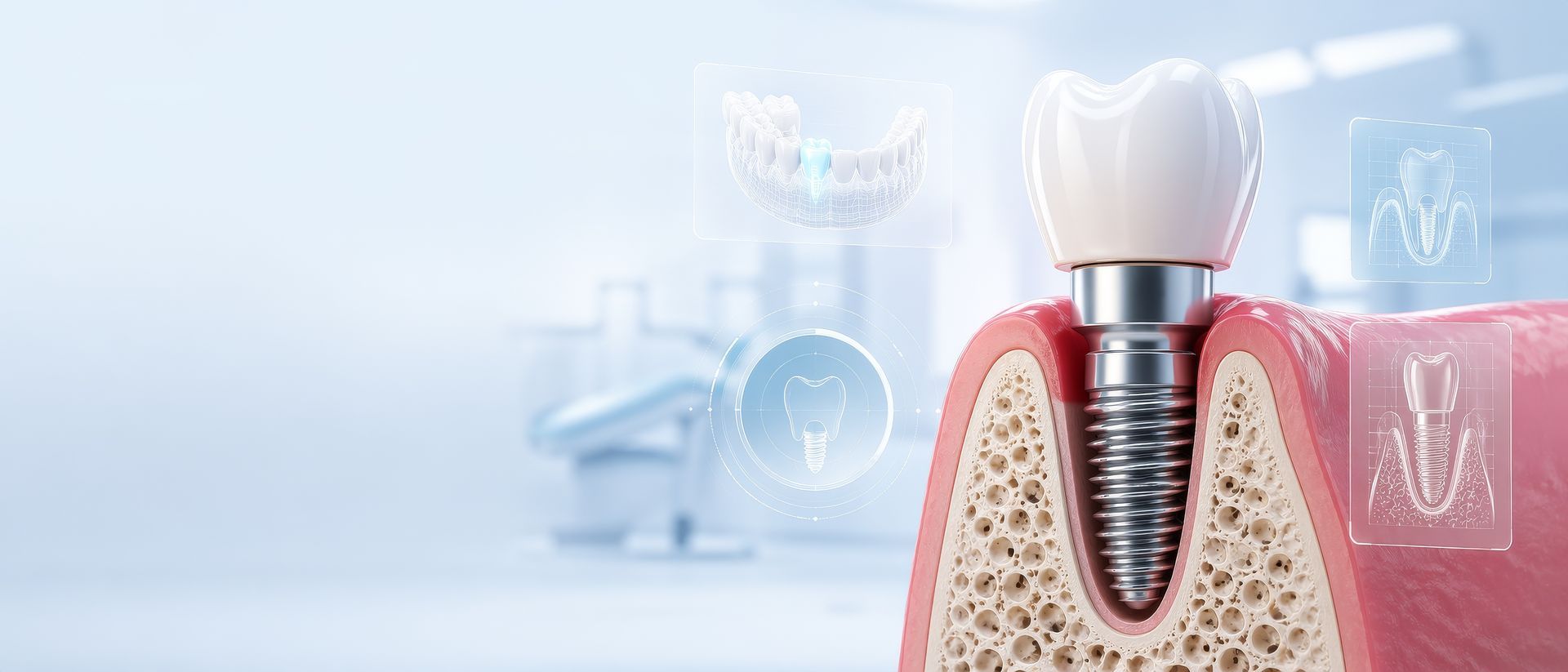
Dental implants go further. A small titanium post is placed directly into the jawbone, where it fuses with the surrounding bone over several months. Once fusion is complete, a custom crown is attached on top, functioning much like a natural tooth root.
For patients in Isle of Palms, SC, seeking dental implants, this root-level integration is a key advantage. The implant stimulates the jawbone, helping prevent the bone loss that often follows tooth extraction.
Who Is a Candidate for Each Option?
Good Candidates for Dental Implants
- Adults in good general health with no uncontrolled systemic conditions.
- Patients with adequate jawbone density to support the titanium post.
- Non-smokers, or smokers willing to discuss how that may affect healing.
- Patients who want a standalone solution that does not involve neighboring teeth.
If bone loss has already occurred, a bone graft may be needed before placement, adding time to the process. Total treatment typically ranges from several months to about a year.
Good Candidates for Dental Bridges
- Patients who need a faster timeline with fewer surgical steps.
- Patients who lack the bone density required for an implant without significant grafting.
- Patients whose neighboring teeth already need crowns for other reasons.
- Patients for whom implant surgery is not advisable due to health or medication factors.
The trade-off is that adjacent healthy teeth must be permanently shaped down to support the restoration. Once that preparation is done, it cannot be undone.
Longevity: Which Option Lasts Longer?
Dental implants can offer a significantly longer lifespan. With proper care, an implant-supported crown may last for decades, and the titanium post itself is often considered a permanent fixture. Bridges typically last 10 to 15 years before needing replacement, depending on oral hygiene, bite force, and diet.
For Isle of Palms residents with an active coastal lifestyle, durability matters. A well-integrated implant tends to handle daily demands without the risk of bridge cement washing out or supporting teeth becoming vulnerable over time.
Cost Considerations
A bridge may have a lower upfront cost than an implant. However, bridges often need replacement, and the underlying teeth may eventually require additional treatment, so long-term costs can add up. An implant typically involves a higher initial investment that may prove more economical over a patient's lifetime.
Insurance coverage varies. Some plans may cover portions of either option, such as the crown or consultation. Financing options may also be available. Contacting the office directly is the best way to understand what your plan covers.
Quick Comparison: Implants vs. Bridges at a Glance
- Jawbone preservation: Implant, yes, stimulates bone. Bridge, no, bone may recede beneath.
- Adjacent teeth affected: Implant, no. Bridge, yes, must be shaped down.
- Typical lifespan: Implant, decades with good care. Bridge, 10 to 15 years on average.
- Surgery required: Implant, yes. Bridge, no.
- Treatment timeline: Implant, several months to one year. Bridge, a few weeks.
- Candidacy requirement: Implant, adequate bone density needed. Bridge, less dependent on bone density.
Does a Dental Bridge Damage Adjacent Teeth?
Yes. Preparing a bridge requires permanently altering the teeth on each side of the gap. Enamel is shaped down so crowns can be placed to support the bridge. If those teeth are otherwise healthy, this is a significant trade-off. An implant avoids this entirely by standing independently.
Can I Get a Dental Implant if I Have Gum Disease?
Active gum disease must typically be treated before an implant can be placed, as it can compromise the bone and tissue needed to support the post. Once gum health is restored, candidacy can be re-evaluated. Your dentist will review gum health as part of any implant consultation.
Ready to Find Out Which Option Is Right for You?
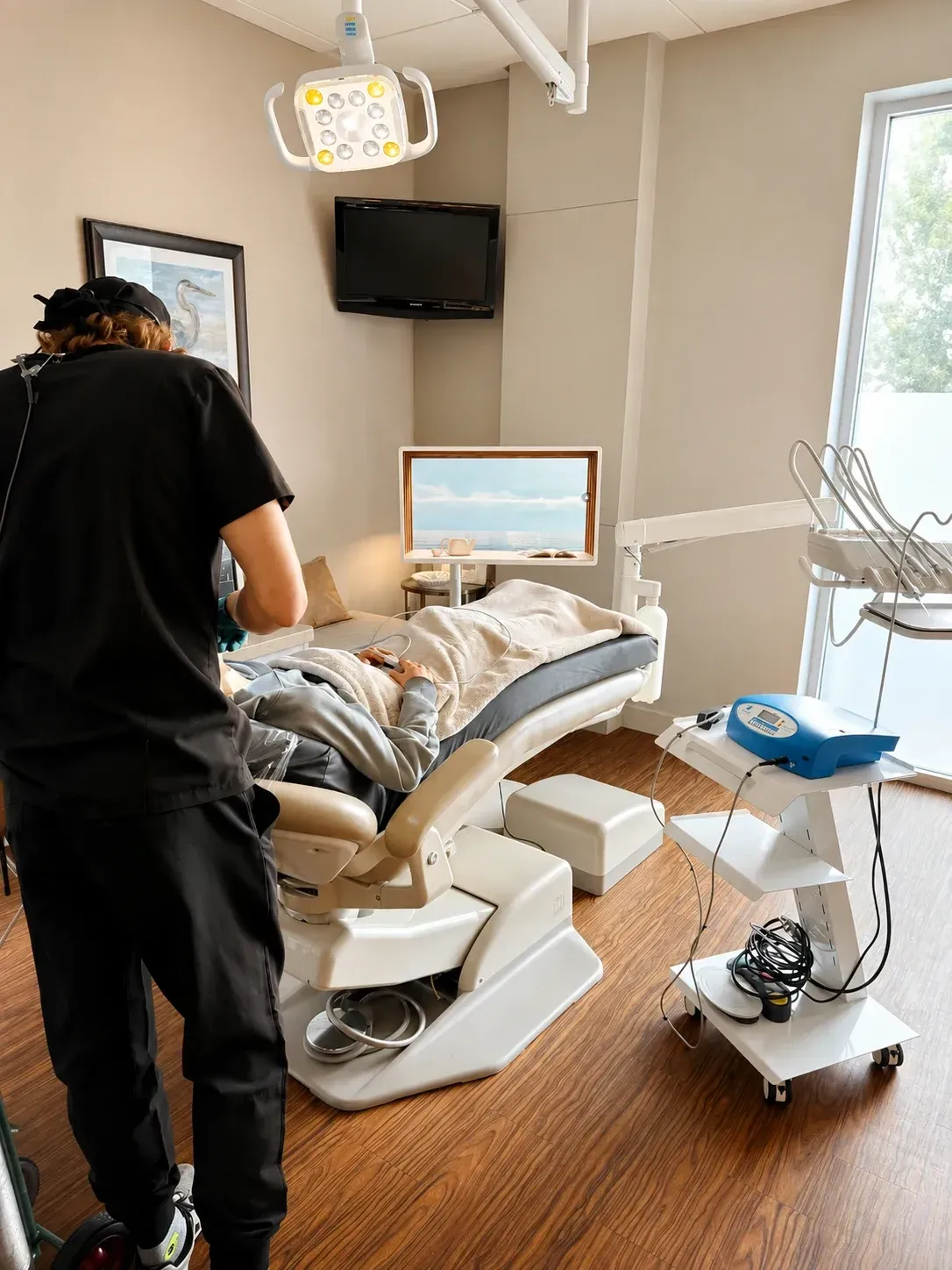
Serving Isle of Palms, SC, Mt. Pleasant Modern Dentistry offers in-house implant placement and restoration, meaning you work with the same team through every step of treatment. Dr. Alderman places and restores implants entirely in one office, so patients never need to coordinate care across multiple providers. Sedation is available for those with dental anxiety.
Visit our dental implants page to learn more, or contact our office to request an appointment. You can also call (843) 216-0908 to speak with our team directly.